A private registration (also called a cherished or personalised number) is a registration you own the right to use, separate from any particular car. You can buy one, put it on your car, take it off when you sell the car and keep it for the next one. Here’s how the process works.
In this guide
Where to buy a private registration
- DVLA Personalised Registrations – sells new and unissued combinations online and at auction.
- Registration dealers – sell registrations already in circulation, including dateless and older formats.
- Private sellers – owners selling numbers they hold on retention.
When you buy, you receive either a V750 certificate of entitlement (for a number that’s never been on a vehicle, or bought from the DVLA) or the seller transfers a V778 retention document to you.
The documents explained
| Document | What it is | Use it to |
|---|---|---|
| V750 certificate of entitlement | Proves your right to a registration not yet on a vehicle | Assign the number to a car, or order plates in advance |
| V778 retention document | Proves your right to a number you’ve taken off a vehicle | Hold it, then assign it to another car |
| V5C logbook | Registration certificate for the vehicle | Shows the number once it’s assigned |
Certificates are valid for 10 years and can be renewed. Keep them safe – you’ll need the document reference number to assign the registration.
Putting a private number on your car
- Make sure the vehicle is registered in the UK, has a valid MOT (if needed) and is taxed or SORN.
- Assign the number online with the DVLA using the V750 or V778 reference. There’s usually no fee to assign if you already hold the certificate.
- The DVLA sends a new V5C. Your car’s old registration is reassigned automatically.
- Order new plates – you can do this as soon as you have the V750 or V778. Tell your insurer about the change.
Taking a private number off your car
If you sell the car, take the number off first and put it on retention with the DVLA. This currently costs £80 and gives you a V778. Your car gets back its original (or an age-related) registration.
The rules that catch people out
- No making a car look newer. You can’t put a registration on a vehicle that would make it look newer than it is – so a 76-plate can’t go on a 2015 car. Older and dateless registrations can go on any car.
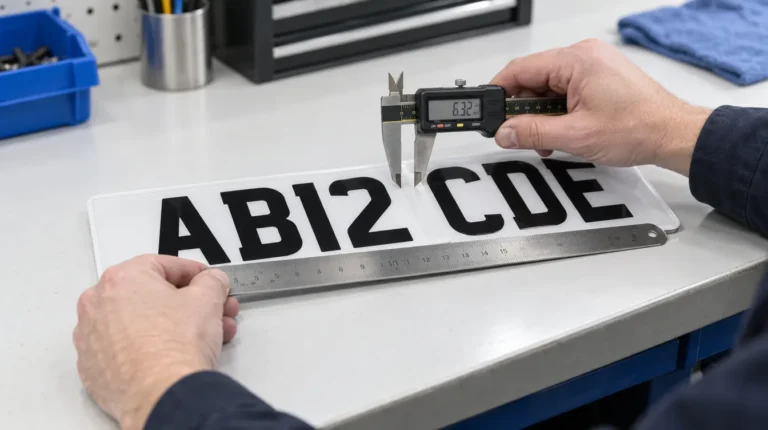
- No mis-spacing. Private numbers must be displayed with the standard spacing and font. The DVLA can withdraw a registration that’s displayed misleadingly. See spacing rules.
- Q plates can’t take private numbers.
- Lease and finance cars may need the finance company’s permission.
Getting your private plates made
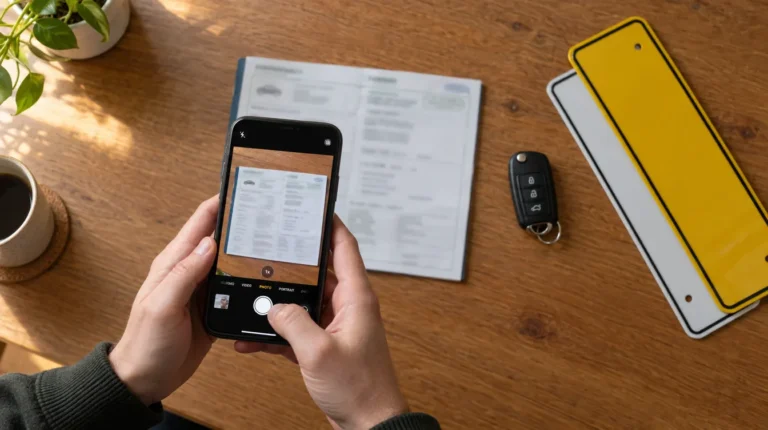
You can order plates as soon as you have the V750 or V778, so your plates are ready when the number is assigned. Upload the certificate as your proof of entitlement – see documents needed for number plates.

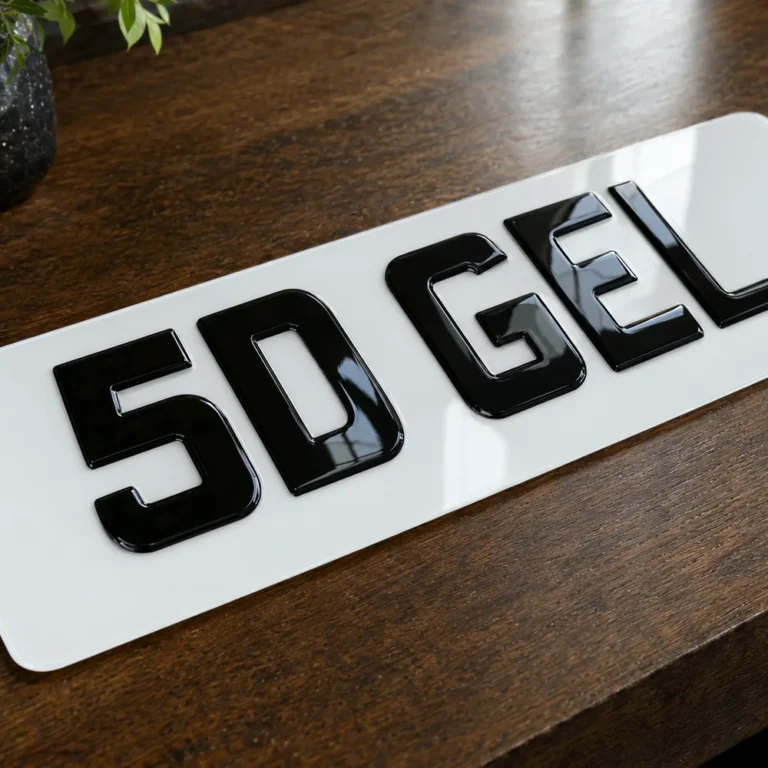
Short private numbers look great on a short legal plate, cut to fit while keeping legal margins.
Do private plates affect insurance?
The registration itself rarely changes your premium, but you must tell your insurer because it changes the details on your policy. Some insurers ask about the value of a cherished number.
Plates for your private number
Upload your V750 or V778 and we can make your plates before the number is even on your car.
Frequently asked questions
Can I order plates with a V750 certificate?
Yes. A V750 or V778 is accepted as proof of entitlement, so you can have plates ready before the number is assigned.
How much does it cost to retain a private number?
The DVLA retention fee is currently £80, which gives you a V778 certificate.
Can I give a private plate as a gift?
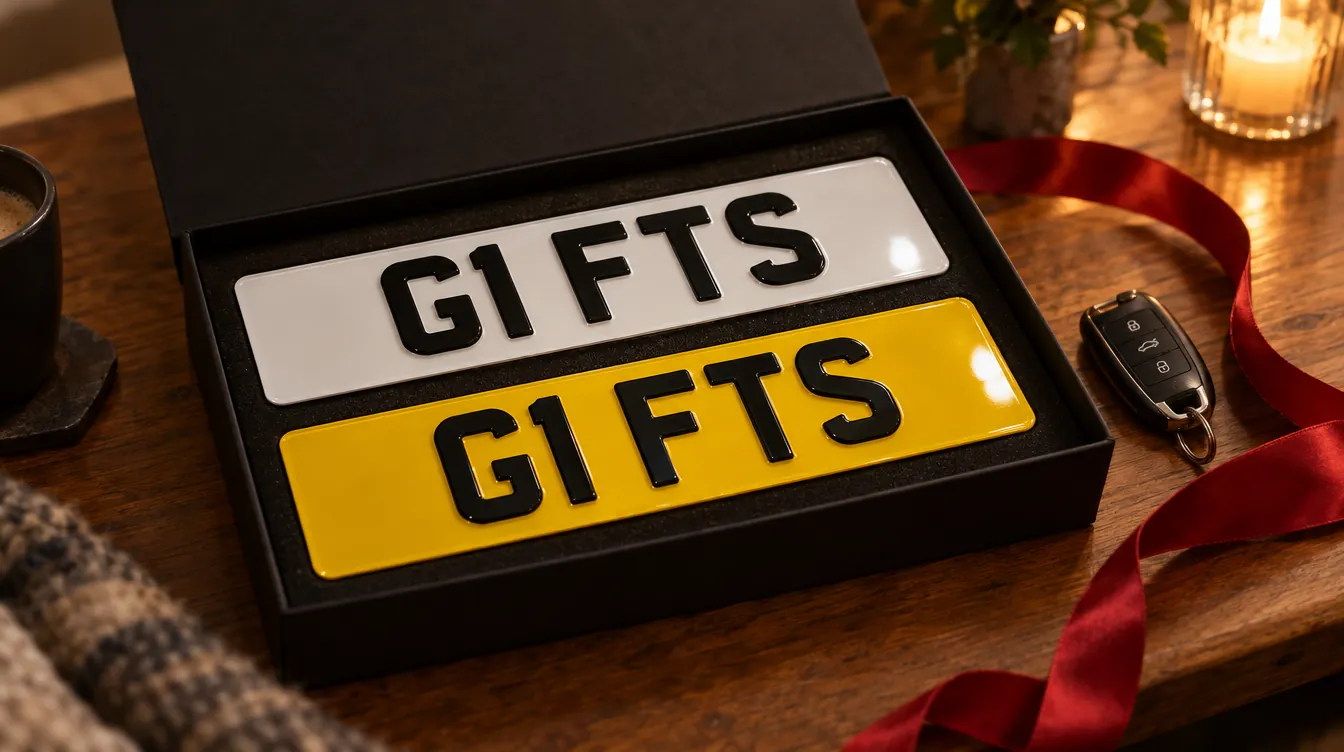
Yes. When buying, name the recipient as the “grantee” or “nominee” so they can use it. See our number plate gift guide.
Does a private plate hide my car’s age?
A dateless or older registration doesn’t show the car’s age, but the vehicle’s real age is still recorded by the DVLA.